
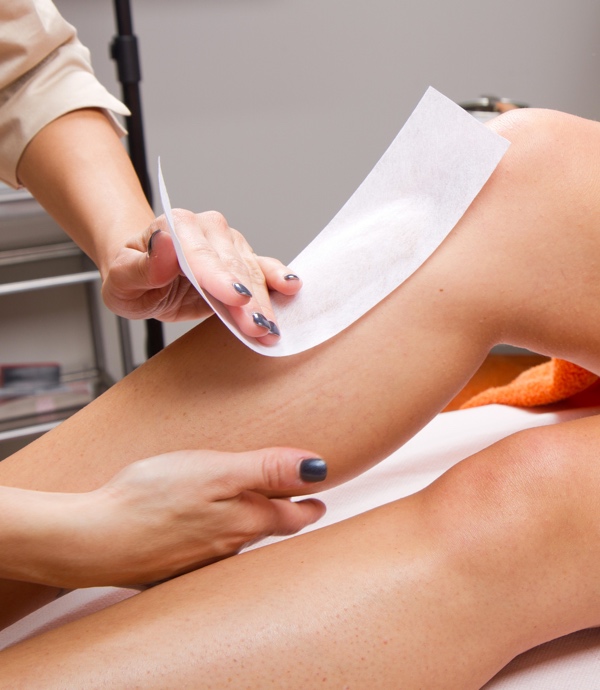
One of the most common questions before a waxing appointment is, how long should hair be to wax? Hair needs enough length for the wax to grip it, but very long hair can make the treatment messier and more uncomfortable. A commonly used starting point is around one-quarter inch (about 6 mm), although the best length depends on the wax formula, body area, hair texture, and salon technique.
What Is the Ideal Hair Length for Waxing?
The American Academy of Dermatology advises that hair should be about one-fourth to three-fourths of an inch long before waxing. If it is longer, trimming can make the process easier and less messy. This is general guidance; a professional may recommend a different length for a particular wax or body area. See the American Academy of Dermatology waxing guidance.
For many standard body-wax appointments, approximately one-quarter inch is a practical target. If you have shaved recently and hair is still very short, the wax may not be able to grip it effectively. Waiting a little longer is usually better than repeatedly going over the same area.
Does Hair Length Differ by Body Area?
Legs and arms are often treated with body wax designed for larger areas. Underarms and bikini areas can have coarser, curlier hair and more sensitive skin, so technique and product choice matter. Facial hair is finer and the skin can be delicate; facial waxing may require a more cautious approach. Ask the salon whether it wants a specific growth length for your service.
What If Hair Is Too Short?
Very short hair may slip through the wax instead of adhering to it. The result can be patchy removal, repeated passes, or extra tweezing. If the hair is shorter than the salon’s recommended minimum, rescheduling can protect the skin and improve the result. Avoid trying to compensate by repeatedly applying hot wax to one small area.
What If Hair Is Too Long?
Long hair can tangle in the wax, pull more than necessary, and make application less controlled. A trained professional can trim the area before treatment. Do not shave immediately before the appointment, because shaving removes the length the wax needs to grip.
How to Prepare Your Skin Before Waxing
- Keep skin clean: Arrive with the area free of heavy lotion, oil, deodorant, and makeup where relevant.
- Gently exfoliate ahead of time: Light exfoliation a day or two before may help remove surface buildup. Avoid aggressive scrubs immediately before treatment.
- Avoid sunburned or irritated skin: Postpone waxing if skin is burned, broken, inflamed, or unusually sensitive.
- Discuss medications and skin products: Retinoids and some acne treatments can make skin more fragile. The AAD advises avoiding waxing on skin treated with prescription retinoids and notes precautions for isotretinoin use.
- Choose a hygienic salon: Ask about clean applicators, fresh wax, hand hygiene, and whether the technician avoids double-dipping.
Does Hair Need to Be a Certain Length for Different Wax Types?
Soft wax is spread thinly and removed with a strip, while hard wax sets around the hair and is removed without a cloth strip. Some hard-wax products can catch shorter hairs, but that does not mean every short hair will be removed. Follow the brand and technician’s directions rather than relying on one universal minimum.
What to Do After Waxing
Skin can be temporarily sensitive. Avoid excessive heat, friction, intense workouts, and fragranced products on the treated area for the period recommended by your technician. Wear loose clothing after body waxing and avoid picking at small bumps. Seek medical advice if you develop severe pain, spreading redness, blistering, pus, or signs of infection.
Frequently Asked Questions
Can I wax hair that is only 1/8 inch long?
Some products may grip shorter hair, but results are less predictable. Ask the salon about its wax and service guidelines before booking.
Should I trim before a waxing appointment?
Trim only if the hair is longer than the recommended range, and do not cut it too short. A professional can advise or trim it safely.
Can I wax if I use retinol?
Retinoids can increase the risk of skin lifting or injury during waxing. Follow the AAD’s guidance and ask your prescribing clinician or dermatologist before facial waxing.
Conclusion
For many waxing services, about one-quarter inch of growth is a useful target, while dermatology guidance gives a broader range of one-fourth to three-fourths of an inch. The right length depends on the body area, product, and skin condition. Confirm the salon’s instructions, avoid waxing irritated skin, and prioritize safe technique over rushing the appointment.

Lily Rose is a passionate food blogger with years of experience exploring menus, flavors, and dining trends, delivering clear, reliable insights that help readers discover great food and make confident choices.